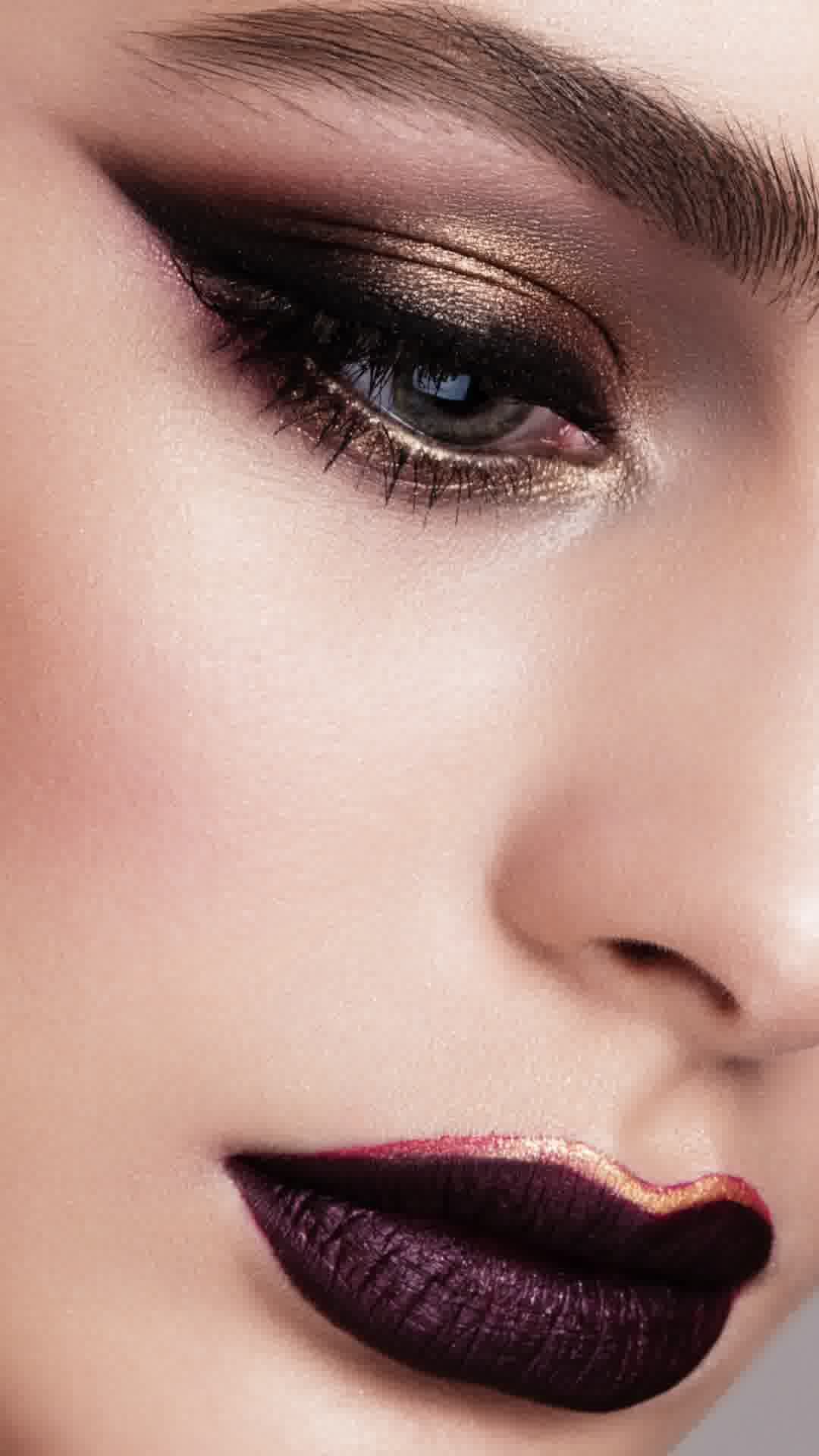
A question I hear often, especially from brides comparing artists, is some version of: "Do you have a different look for daytime versus evening? What about for photos, or for the reception later — and do you always use lashes, or only sometimes?" It's a completely reasonable question, because a lot of beauty marketing is built around exactly this kind of menu — day makeup, evening makeup, cocktail makeup, "camera-ready" makeup, each implied to be its own distinct product and technique. In practice, most experienced makeup artists don't actually work this way, and it's worth explaining why.
The Categories Are a Marketing Idea, Not a Technical One
There isn't a separate set of products called "evening makeup" that differs fundamentally from "day makeup." What changes between a daytime look and an evening one is intensity and buildability — how much product is layered, how deep the eye definition goes, how much the color is pushed. A face that reads as soft and natural in daylight can become considerably more defined for evening simply by adding depth to the crease, intensifying the lip, and adding more highlight — using the same base that was already there, not starting over with different products. This is exactly how a wedding day actually works in practice: the same face carries a bride from getting-ready photos in morning light through to a reception dance floor at night, and it does that through layering, not through a costume change.
What Actually Changes Is Light, Not the Occasion
The variable that matters most to a makeup artist isn't whether an event is labeled "day" or "evening" — it's the light the face will actually be seen in. Soft, diffused daylight is forgiving and shows texture and color accurately. Warm indoor evening light shifts colors and tends to flatten contour work, so definition needs to be a little stronger to still register. Camera flash and video are their own category entirely: flash can wash out warmth and create "flashback" on products with certain SPF or light-reflecting ingredients, while high-resolution photo and video pick up blending lines and texture that the naked eye across a room would never notice. A skilled artist is reading these lighting conditions and adjusting finish, depth and blending precision accordingly — which has much more to do with where the ceremony and reception actually take place than with any fixed "day vs. evening" rulebook.
"Photo-Ready" Isn't a Separate Look Either
The same logic applies to the idea of a distinct "photoshoot makeup." What changes for photography and video isn't a different look so much as a handful of technical adjustments layered onto the same face: finishes that won't read as shiny or "sweaty" under flash, blending that holds up to close-up and slow-motion video, and product choices that won't cause white cast in photos. None of that is a separate category of makeup — it's the same skill set, applied with an awareness of exactly how and where the result will be seen, whether that's a phone camera three feet away or a professional photographer's lens across the room.
False Lashes Are a Tool, Not a Package Tier
The same is true of the "with lashes or without" question, which often gets treated as if it were a simple upgrade choice. In practice, whether to use false lashes — and which style, length and density — depends on the individual: natural lash density and eye shape, how comfortable someone is wearing them for a full day, whether the ceremony will involve tears (a very real consideration at a wedding, which is also why waterproof formulas matter more than lash choice on their own), and how much definition the eyes need to read clearly both up close and from a distance. A good artist recommends lashes the way they'd recommend anything else in the look — based on what actually suits the person and the day, not from a fixed tier of options.
Why This Matters for How You Choose an Artist
If an artist's whole offering is a menu of fixed "looks" to choose from, it's worth asking how much of the work is actually being adapted to you versus applied from a template. The alternative — and what an in-person trial is really for — is a conversation about your skin, your features, the venue's lighting, how long the day will run, and how the look needs to hold up on camera as well as in person. That's a very different starting point than picking option A, B or C from a list, and it tends to produce a result that looks like a more polished version of the person wearing it rather than a generic "bridal look." My own bridal makeup trial is built entirely around this — it's where we work out what actually suits you before your wedding day, rather than starting from a preset category.
A Few Practical Takeaways
- Ask a potential artist how they'd adapt your look between a daytime ceremony and an evening reception — the answer reveals whether they think in layers or in fixed looks.
- Mention if there will be professional photography or video so lighting and finish can be planned for in advance, not fixed at the trial and forgotten.
- Bring up lashes as a genuine question, not a yes/no box to tick — a good artist will ask about your natural lashes and comfort before recommending anything.
- If a venue has particularly warm, dim or mixed lighting, mention it ahead of time so definition and finish can be planned around it.
- A trial is the moment to test how a look photographs, not just how it looks in the mirror — ask to see a phone photo with flash during your trial.