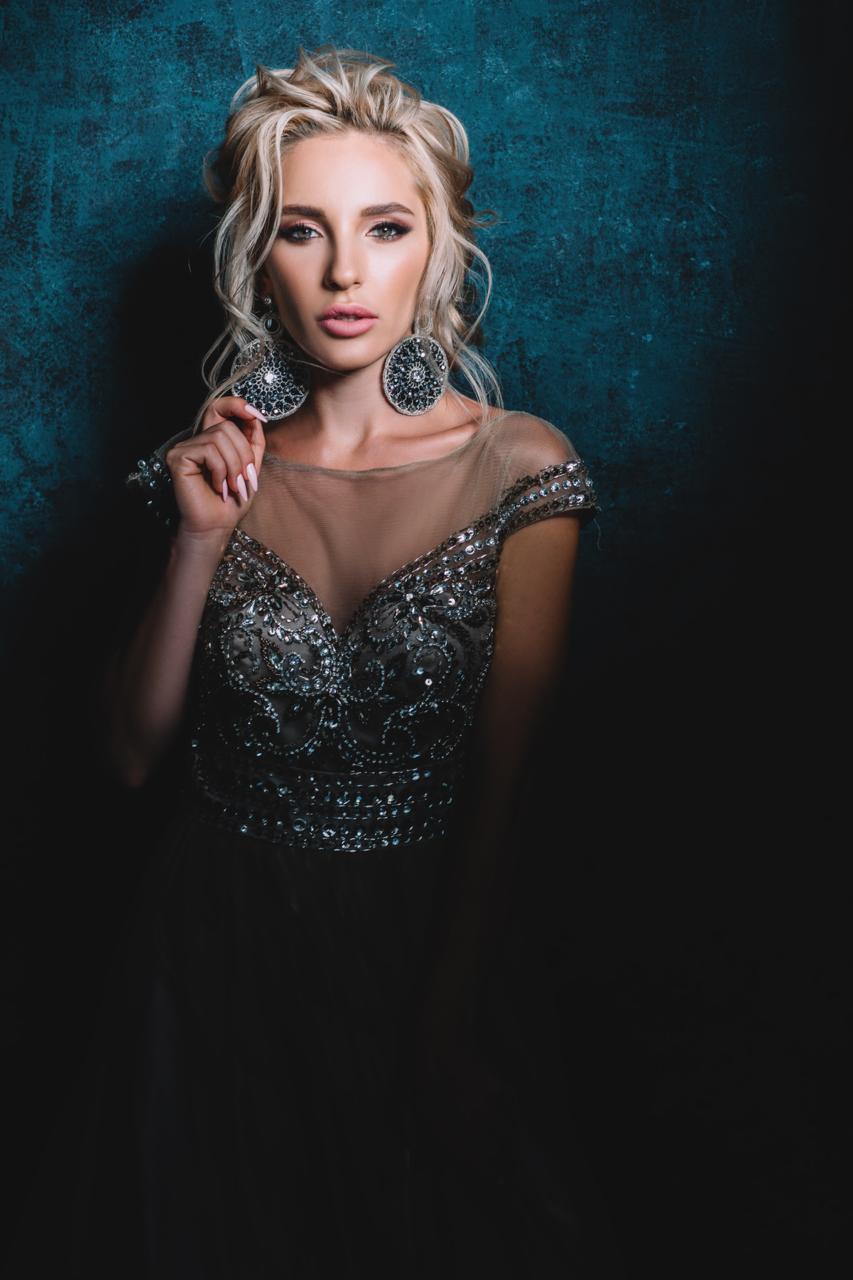
Every summer, the Roman amphitheatre in Verona fills for its open-air opera season — one of the oldest and best-known outdoor opera festivals in the world, running from June into September. It is a genuinely special evening out: stone tiers under an open sky, a performance that runs two to three hours or more, and an atmosphere built for dressing up. It is also, from a makeup point of view, one of the more demanding evenings a look has to survive, and it's worth planning for that rather than discovering it mid-performance.
Why this evening is harder on makeup than most
An arena performance is long, outdoors, and seated on stone that holds the day's heat well into the night. You arrive early evening in daylight, watch the light change through the performance, and leave once it's fully dark — often three or more hours after you sat down, with no real break to step out and touch anything up without missing part of the show. That combination of duration, warmth and being seen from a distance under changing light is a different brief from a two-hour dinner or a cocktail hour.
Heat and humidity in a packed stone amphitheatre push oils to the surface faster than an air-conditioned venue would, which is the main reason a look that seemed perfectly set at home can shift by the second act. The fix isn't more product piled on top — it's the right base and setting technique for heat specifically, applied with enough time before you leave to actually take.
What actually holds up for three hours in a stone seat
Long-wear, humidity-resistant formulas matter more here than for almost any other evening occasion, and setting technique matters as much as the products themselves — strategic powdering in the areas that move and shine first, rather than an even layer over the whole face, keeps a look breathable instead of cakey by hour two. Waterproof, transfer-resistant formulas around the eyes are worth it even if you don't expect to cry; heat alone is enough to make a soft smoky eye migrate if it isn't built to resist it.
Distance changes the calculation too. From your own seat you'll be seen up close by the people you came with, but the amphitheatre's scale means a look also needs to read from a few rows back for photos taken during the interval or after. Definition around the eyes and a lip color with actual pigment tend to hold their shape and read clearly at both distances, where anything too sheer or too subtle can simply disappear under evening light.
Planning around the evening, not just the look
Timing the application matters as much as the products chosen. Doing your makeup too far ahead of an evening that starts with a wait in the heat before doors open means the look is already several hours old before the performance even begins. Building in setting time, choosing a finish that's genuinely built for warmth rather than just labeled "long-wear," and packing a small touch-up kit for the interval — blotting papers and a lip color rather than a full re-application — covers the parts of the evening a fixed look can't survive alone.
Hair matters just as much in a warm, crowded venue: an updo or a style pulled away from the face tends to hold its shape and keep you cooler through the evening than something left down, which is worth factoring in alongside the makeup itself when you're planning the whole look for the night.
Getting ready before the gates open
The Arena's doors typically open well before the performance starts, and most of the audience arrives early to find seats, settle in and people-watch before the lights go down — which means the evening's first hour or two of wear happens before the opera has even begun. If the application is timed for "curtain up," the look is often already an hour or two old by the time the performance actually starts, and closer to four or five hours old by the final curtain.
It's worth building in the arrival wait as part of the timeline rather than an afterthought: finishing the look with enough buffer before leaving the house, rather than rushing out the door and finishing the last details once already standing in line. There's effectively no realistic midpoint break for a full touch-up once you're seated in the tiers — getting up mid-performance to leave and return isn't practical in a packed amphitheatre — so whatever the look needs to survive the whole evening has to already be built in before the gates open, not planned as something to fix later.
Beyond the opera festival
The same problem shows up at any long outdoor evening in Veneto's warmer months — a garden reception, an open-air concert, a summer gala — and the answer is the same: plan for heat and duration specifically, rather than treating evening makeup as one fixed category. If you're spending an evening in Verona and want a look built to actually last through it, get in touch with your date and the occasion, or read more about event makeup across Veneto for how this approach applies beyond the opera season specifically.