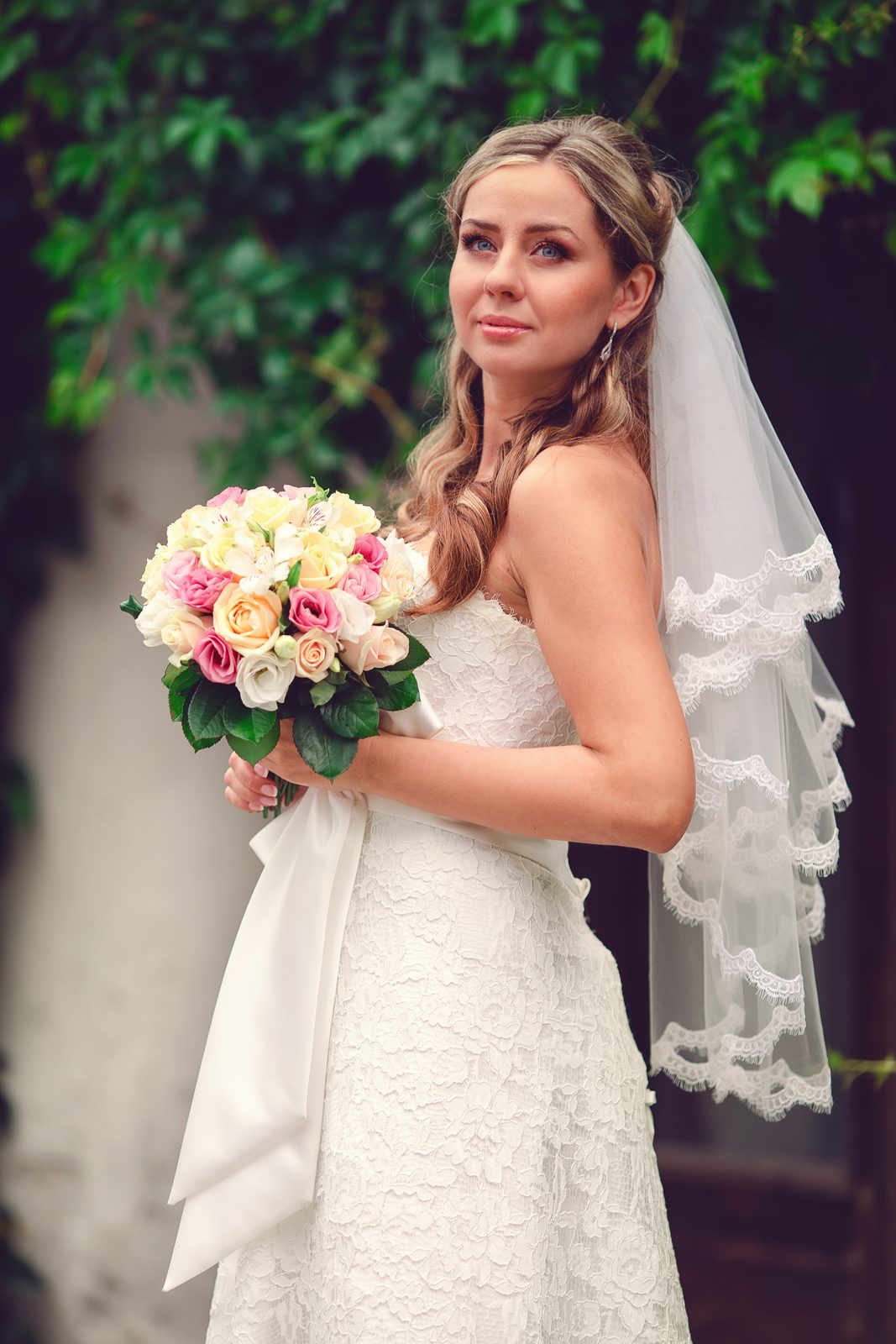
The question most foreign couples ask about South Tyrol isn't "which venue" — it's whether you can actually get legally married there at all. You can. South Tyrol, Alto Adige in Italian, is fully Italian territory, so a wedding here follows the same national rules as one in Rome or on Lake Como. What's different is scale, and it happens to suit an elopement unusually well: small alpine comuni that process a fraction of the foreign paperwork that Rome or the big lake towns do, historic rooms that hold one wedding at a time rather than a full Saturday of back-to-back ceremonies, and a mountain backdrop that does most of the visual work without a large guest list or reception to plan around.
A quick but important note: I'm a makeup and hair artist, not an attorney or notary, and I'm not qualified to give legal advice. Requirements for foreigners marrying in Italy can be detailed and do change, so treat everything below as a starting orientation drawn from official consular sources — always confirm the current, exact requirements with your consulate and the comune where you plan to marry before booking anything.
Two paths, same choice as anywhere in Italy
Foreign couples marrying in South Tyrol face the same fork in the road as couples marrying anywhere else in Italy. The first path is a legally binding civil ceremony at the comune, which carries real paperwork on both sides. The second, and very common for an elopement specifically, is to marry legally at home — just before or after the trip — and treat the South Tyrol ceremony as symbolic, with no comune filing and no waiting period at all. My guide to eloping to Italy covers that symbolic route in more depth; the rest of this page is about the legally binding path, since that's the one with real documents to gather.
What US citizens need for a legally binding ceremony
South Tyrol falls under the US Consulate General in Milan. The centrepiece of the process is the Atto Notorio — an affidavit that substitutes for the marriage-eligibility registry the US doesn't have — sworn in front of an Italian consular officer with four witnesses present (unrelated to either of you or each other, and over 18), valid for 90 days from issuance. Alongside it, you'll need a sworn affidavit of marital status from the nearest US Embassy or Consulate, and typically a birth certificate with an apostille and Italian translation if your specific comune asks for one. My fuller guide for American couples walks through the bigger-picture decision between a legal and symbolic ceremony; the Milan consulate's own published requirements are the source to confirm the exact current list against.
What UK citizens need
The UK process runs on two documents rather than one. A Certificate of No Impediment (CNI), issued by your local register office, and a Statutory Declaration drafted by a UK solicitor or notary. Both need a paper apostille from the Legalisation Office (no Italian translation is required for either), and both must be issued within six months of your appointment at the comune. Once submitted, the comune publishes your banns, and the appointment itself is typically booked between 30 and 180 days before the wedding, since published banns stay valid for 180 days. My guide for British couples covers the wider post-Brexit picture; this is the document detail specific to the legal path.
Canadian couples
The shape of the Canadian process is closer to the UK's than the US's: a sworn declaration of your legal freedom to marry, drafted with a Canadian notary, then authenticated — since Canada joined the Apostille Convention in 2024, this now runs through Global Affairs Canada's apostille service rather than the older embassy-legalisation route. The comune side is the same regardless of nationality. Confirm the exact current steps with the nearest Italian consulate in Canada before you start gathering documents.
Where the comune performs the ceremony
Each comune sets its own official wedding venues, and the list is shorter than an Instagram search suggests — an alpine meadow is almost never an official marriage venue, it's where the free ceremony happens afterwards. Meran/Merano marries couples in its Rathaus (town hall) and in the Landesfürstliche Burg. Bozen/Bolzano has three rooms on its official list: the Roter Saal, the Altes Rathaus, and Schloss Maretsch. If a castle room appeals to you, ask about dates early — these are single rooms with one calendar each, not hotel ballrooms with several slots a day.
The banns, and what they mean for your trip
Before the comune can marry you, it publishes your intended marriage — the Eheaufgebot, or banns — and there's a waiting period built in. Once that's complete, you have a 180-day window to actually hold the ceremony. In practice, this means many couples travel to South Tyrol twice: once to file for the banns in person, and once for the wedding itself. For an elopement, that first trip is a natural window for a makeup trial rather than squeezing one in the day before the wedding, when there's no time left to react if something needs adjusting.
Alpine beauty planning for a two-person ceremony
With just the two of you and a photographer, the camera sits close — more macro, more detail-focused than it would at a hundred-person wedding, which makes precise, photograph-ready makeup and hair worth just as much care as a full-scale celebration. South Tyrol adds its own variable on top of that: cooler, drier air at altitude instead of lowland heat and humidity, plus wind at most outdoor mountain venues. Skin tends to dry out faster than expected at elevation, so a hydrating base works better here than the heat-focused routine I'd recommend for a lakeside or Tuscan summer wedding, and hair is worth pinning securely if your ceremony or free celebration afterwards is outdoors. My South Tyrol beauty guide goes deeper into the climate side; this page is the paperwork and planning half of the same trip.
What I need for an accurate quote
No prices here — a courthouse ceremony with just the bride and a free ceremony afterwards with family and an outdoor location aren't the same booking, and a number on this page would be wrong for both. What gets you an accurate quote quickly is a handful of details:
- your date, and whether it's confirmed with the comune yet;
- which comune and venue — town hall room, castle, or a free ceremony outdoors;
- the ceremony time, and when photography starts if you know it;
- how many people besides you need hair, makeup, or both;
- where you're getting ready, and whether that room has good window light;
- whether you're travelling back for the banns beforehand — that trip is where a trial fits best.
The contact form asks for date, location and headcount up front, which is the fastest way to get a real answer rather than a price list. I reply personally, usually within the hour.