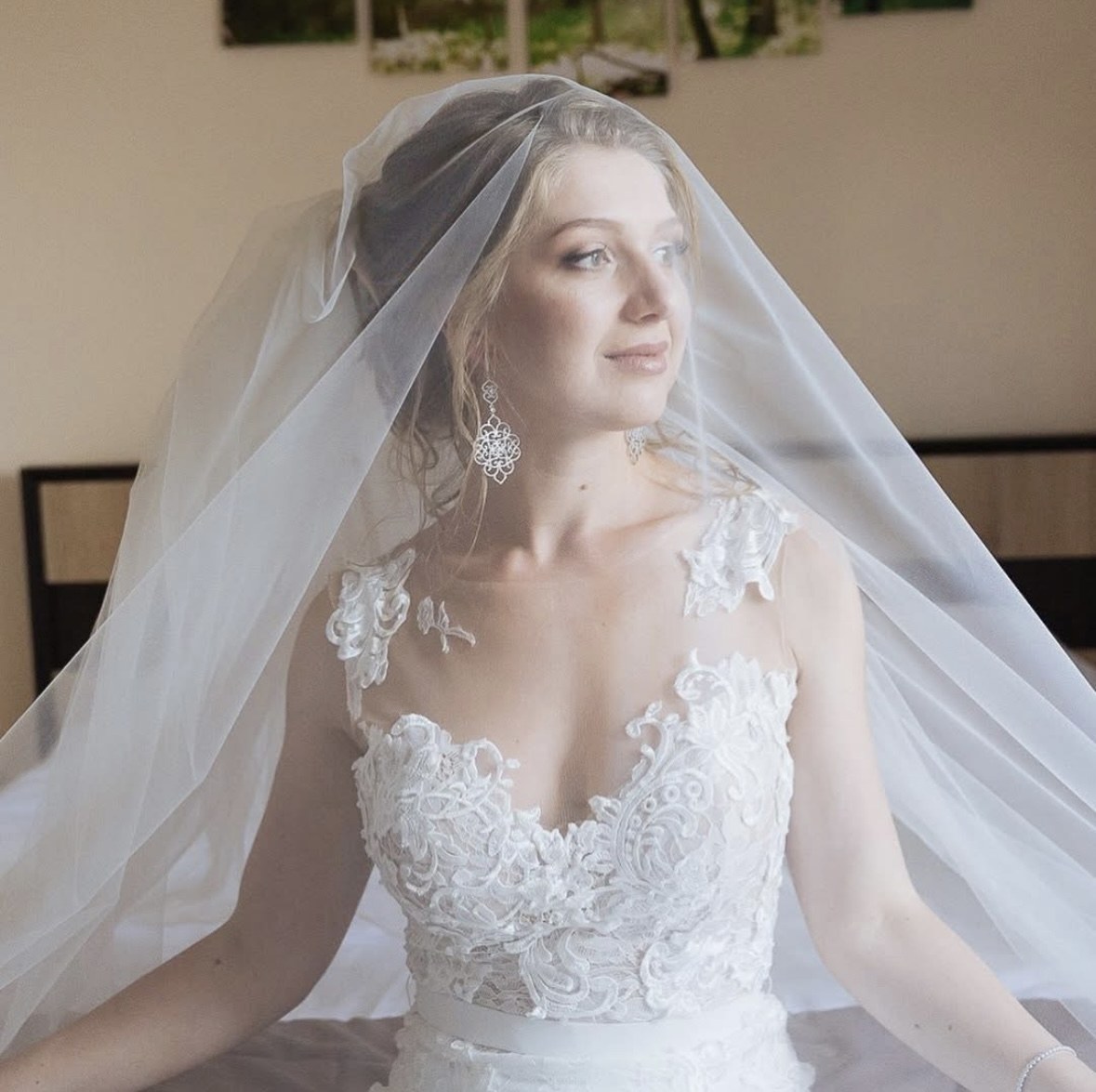
A growing number of couples marrying in Italy choose a civil ceremony over a religious one — often because it's simpler to arrange from abroad, doesn't require either partner to belong to a particular faith, and still delivers everything that makes an Italian wedding feel special: a beautiful setting, genuine warmth, and a celebration that lasts the whole day. If you're weighing a civil ceremony for your own wedding, here's what to know, and how to think about planning your bridal beauty around it.
How a civil ceremony works for foreign couples
A legally binding civil ceremony in Italy is performed by a local official, usually at the town hall (municipio) or another registered venue, and requires specific paperwork to be filed with the comune in advance — most couples work with a wedding planner or the venue itself to handle this, since requirements vary depending on your home country. Many international couples choose a different, simpler route: a legally binding ceremony back home, followed by a symbolic ceremony in Italy that carries no legal paperwork at all and can be held virtually anywhere — a villa garden, a lakeside terrace, a vineyard. Both paths are common, and both give you a genuine Italian wedding day without the complexity of a religious ceremony's requirements.
Where civil ceremonies happen
Historic town halls are popular for their architecture alone — frescoed council chambers and grand staircases make a striking backdrop with very little extra styling needed. Just as common are civil ceremonies held directly at a wedding venue: a villa terrace overlooking Lake Como or Lake Garda, a Tuscan farmhouse courtyard, or a rooftop in Venice. Because a civil or symbolic ceremony isn't tied to a church's fixed structure, couples have far more freedom over timing, setting and the shape of the ceremony itself.
Planning bridal beauty for a civil wedding
One real advantage of a civil ceremony is flexibility — you're not working around a church's schedule, so the whole day can be planned around the best light for photos and a timeline that actually feels relaxed. That said, the beauty planning fundamentals stay the same as any Italian wedding: a trial beforehand so your look is settled well in advance, and long-wear products that hold up through the ceremony, the golden-hour photos, and an evening celebration. Civil ceremonies are often a little shorter and more intimate than a full religious service, which tends to mean a calmer morning of preparation — but the makeup and hair should still be built to last the entire day, since the celebration afterwards is every bit as long.
If your civil ceremony is a legal formality at home and the Italian day is the symbolic celebration, you have even more freedom to build the whole day, hair and makeup included, purely around what feels right for the two of you and the setting you've chosen.
A few practical tips
- Confirm early whether you need a legally binding ceremony in Italy or a symbolic one — it changes your venue options considerably.
- A wedding planner familiar with civil ceremony paperwork saves real time if you're arranging a legally binding ceremony from abroad.
- Book your trial with enough lead time to fine-tune your look, especially if you're travelling in from abroad for just a few days.
- Plan hair and makeup to last the full day and evening, even if the ceremony itself is shorter than a traditional service.