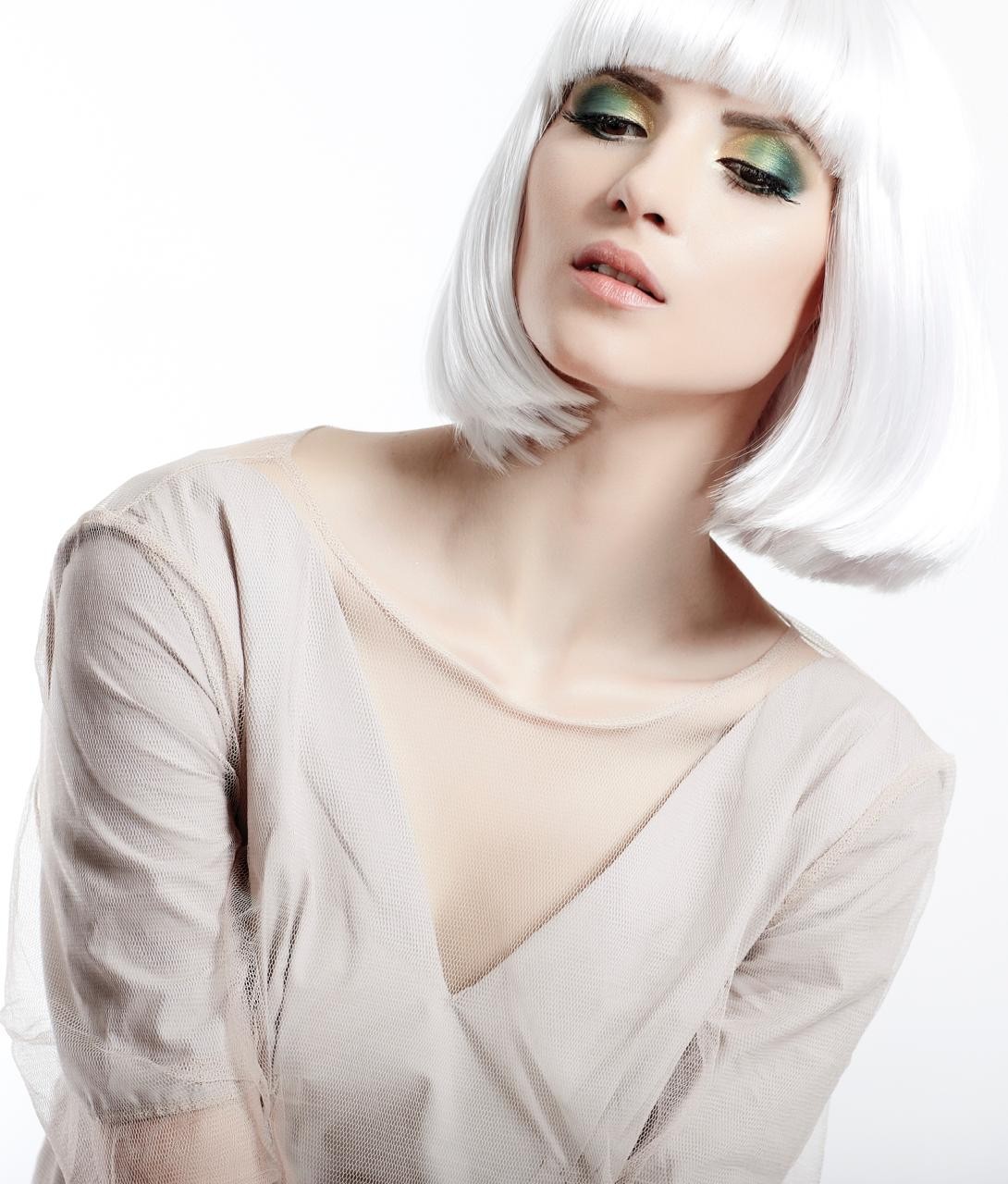
For the weeks before Lent each year, Venice turns into something closer to a stage set — masked balls in palazzi, costumed processions along the canals, and a city that leans fully into its centuries-old carnival tradition. Whether you're there for one masked ball or the whole run of events, the makeup underneath a Carnevale mask has its own logic, and it's different enough from ordinary evening makeup that it's worth thinking through in advance.
The mask changes what actually needs makeup
A half-mask or a full Venetian mask covers the upper face, which means the parts still visible — lips, jaw, the very lower lid if the mask sits high, and often the neck and décolletage in an open Carnival costume — carry more visual weight than they would in an unmasked look. Lip color in particular has to do more work: it's often the single largest area of visible skin doing any color storytelling at all, so a soft, barely-there lip that reads as elegant restraint elsewhere can look unfinished under a mask.
At the same time, whatever the mask doesn't fully hide still shows through the eye openings or at the edges, so blending at the mask's contact points matters in a way it wouldn't for an unmasked evening: a hard line where foundation meets the mask's edge, or mismatched color between masked and unmasked skin, is far more noticeable in photographs than it feels in the moment.
Heat, contact and hours under a mask
A mask sitting against the skin for an entire evening creates its own version of the humidity problem — trapped warmth against the forehead and cheekbones, and repeated contact wherever the mask's edge rests. That combination is a fast way to break down makeup that isn't built to resist transfer, and it can leave product residue on the inside of an elaborate (and often rented or borrowed) mask, which is worth avoiding for practical reasons alone. Long-wear, transfer-resistant formulas around any area the mask touches directly aren't just about how the look holds — they protect the mask itself.
Candlelight and the low, warm lighting typical of a masked ball or a palazzo reception also shift how color reads compared to daylight or even standard evening lighting. Warmer, richer tones tend to hold their character better under candlelight than cool or very pale shades, which is worth factoring in if the costume and mask are already built around a specific palette.
Building a look that works with a costume, not against it
Carnevale costumes are often elaborate and highly specific in color and period — a full Baroque gown, an ornate feathered mask, a particular historical silhouette — and the makeup underneath is at its best when it's planned alongside the costume rather than as an afterthought once it's already chosen. A bold, theatrical eye can work beautifully when the mask leaves the lower lid visible; it can also be entirely wasted effort if the mask covers exactly that area, which is one more reason it helps to know your mask before the makeup is planned rather than after.
This is closer to editorial or theatrical makeup than to a typical night out — bolder, more deliberate, built to be seen at the scale and lighting of a costumed event rather than up close in daylight — and it benefits from the same kind of planning conversation as a photoshoot or a stage look: what the mask covers, what the costume calls for, and how long the evening actually runs.
Taking a bold look off at the end of the night
A theatrical Carnevale look tends to use more product, more layering and more pigment than an everyday face, precisely because it's built to survive hours under a mask and read clearly at a distance — which means it also needs a more deliberate removal than a quick wipe with a makeup wipe at the end of a long evening. A proper cleanse, ideally in two steps — an oil-based first pass to break down heavier pigment and any long-wear or waterproof formulas, followed by a gentler cleanser — tends to leave skin in far better shape the next morning than scrubbing at a stubborn lip stain or smoky eye with whatever's on hand at 3am.
This matters more than usual after a Carnevale evening specifically, since skin has often spent several hours in direct contact with a mask on top of the makeup itself, and giving it a proper reset afterward is worth the extra few minutes it takes.
Beyond Carnevale
The same logic — plan the makeup around what will and won't be visible, and around how long and how warm the evening actually is — applies to any masked or heavily costumed event in Veneto, not just the Carnival season itself. If you're planning a masked ball, a costumed evening or any Carnevale event in Venice, get in touch with your date, your mask and your costume, or take a look at the photoshoots and editorial portfolio for a sense of how bolder, more theatrical looks come together.